
Manufacturing
Turning, milling, cold forming: the range of manufacturing processes
Geometry, material, quantity and application decide which manufacturing process makes your component dimensionally accurate and affordable. We choose the right partner plant. Hot-formed parts remain part of our product range. Send us your enquiry for your part.
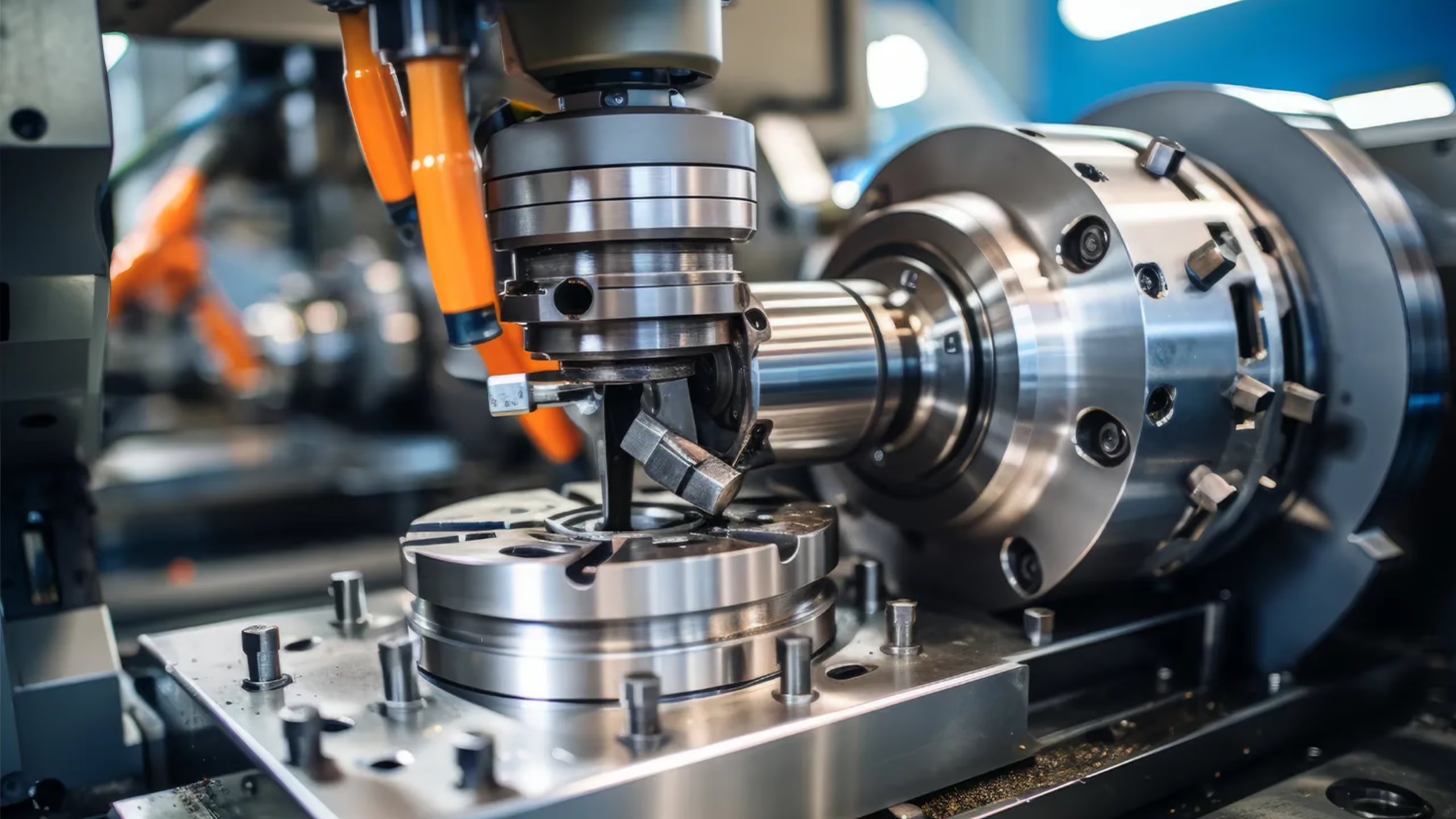
Selection instead of catalogue
Eight processes, one component.
The choice of process can make a significant difference, illustrated here with an example:
A bolt in 50,000 pieces is made differently from the same bolt in 50 pieces. The quantity determines the route.
Every quotation is preceded by the same review: geometry, material, quantity, application. This shows whether the part is turned, milled or cold-formed, what is added afterwards and which partner plant can do it. Sheet metal parts, stamped, laser-cut or bent in our partner plants, can be found under Special parts.
Decision path
Four details are enough
Geometry
What the shape of the component dictates.
Material
Whether the material can be cold-formed.
Quantity
How many components are needed per year.
Application
What the component will have to withstand later.
SELECTION PROCESS
Select your details
As soon as geometry, material, quantity and application are selected, a first manufacturing route for your component appears here. It becomes binding after the technical review of your drawing.
The processes in detail
Eight processes, eight thresholds
Turning
The component rotates, the tool stays still. For round geometries with tight tolerances, this is the shortest route from drawing to first sample.
Milling
The tool rotates, the component stays still. Faces, pockets and cross holes are created where a lathe alone can go no further.
Cold forming
Cold forming and cold extrusion shape the wire without heat. The grain flow is preserved, no chips are produced, and the unit price falls in series production.
Thread rolling
The thread is pressed in, not cut. The flanks are work-hardened, the surface stays smooth, and no material is lost.
Further machining
Drilling, grinding, deburring, embossing. Whatever is still missing after the main process is added in a second step before the component moves on.
Heat treatment
Hardening, tempering, quenching and tempering, case hardening. Only here is the property class on the drawing achieved, and it is documented afterwards.
Surface treatment
Zinc-nickel, zinc flake, black oxide, passivation. The surface determines corrosion protection, appearance and friction behaviour in the thread.
Functional coating
Clamping lock, seal, sliding layer. The additional function sits directly on the component and does not need to be fitted separately at your site.
Thread production
Rolling threads instead of cutting,
Fatigue strength in testing compared with cut threads
+84%
Surface roughness on the flank
Rz 2 to 4
Material loss in the thread
no chips
Economical from quantity
2,000
Thread range in our programme
M2 to M30
The cut severs the grain. The flank becomes rougher, and at the thread root, where the grain ends, cracks later begin.
The material is displaced instead of removed. The grain follows the flank, and the thread root becomes harder and smoother.
The chain on one component
The sequence decides,
Optimise for manufacturing.
Identify optimisation potential before costs arise. Not every tight tolerance is technically necessary.
Not every specified material is the most economical solution for the component or the chosen manufacturing process. Especially with larger quantities, even small adjustments to the design, dimensioning or choice of material can create considerable savings.
Use our expertise and have your drawing checked for optimisation potential. Our local contacts analyse your requirements together with the technicians at our specialised manufacturing plants.

The plant follows your component.
Production takes place in the appropriate plant set up for the process, in Germany, Europe or Asia. Your component and your requirements decide which plant fits.
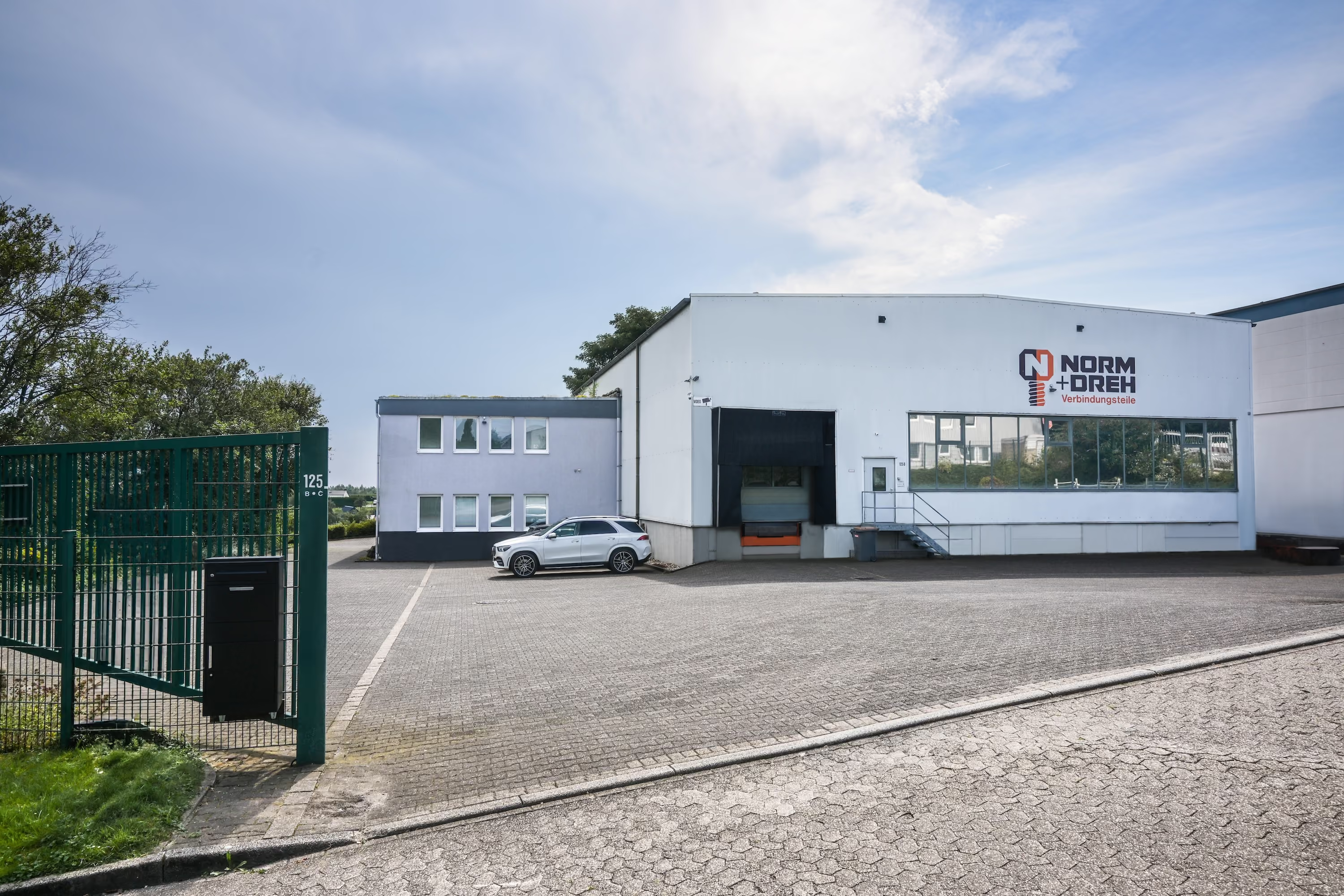
Inspection takes place in-house, and we keep the stock in Germany, here at our site in Velbert. Your contact stays the same, no matter which plant the component comes from.
Questions
Questions about choosing a process.
01
Which process suits our component?
The manufacturing process depends on the geometry, material, quantity and application of the component. Which manufacturing process suits screws therefore also depends on the quantity: small lots are often turned, large ones cold-formed. It is often a combination.
02
From what quantity does cold forming pay off?
As soon as the forming tool pays for itself over the quantity. Until then, turning is often cheaper because no tool is built. Where the quantity threshold for your cold-formed parts lies depends on geometry and material. We compare both routes before quoting.
03
Are rolled threads stronger than cut threads?
Above all under alternating loads. With thread rolling, the grain flow remains continuous and the thread root becomes harder. In a test series by Ecoroll, the fatigue strength was 121.0 MPa rolled and 65.7 MPa cut. The rolling tool pays off in series production.
04
Can several processes be combined?
Yes, this is often the economical route: cold forming for the unit price, machining for the shape. This is followed by thread rolling, heat treatment to 8.8 to 12.9 and the surface finish, for screws for example zinc-nickel or a zinc flake coating.
05
Do you also take on pure contract manufacturing?
Not as a single operation. Anyone looking for contract manufacturing in mechanical engineering or metalworking usually outsources operations, such as CNC contract manufacturing for turned parts or thread rolling. With us, you outsource the component: we choose the process and partner plant and deliver it inspected.